
Cooking gas safety at home: a practical guide
By Kula Kula Delivery Team · Published 1 November 2026 · Updated 1 November 2026
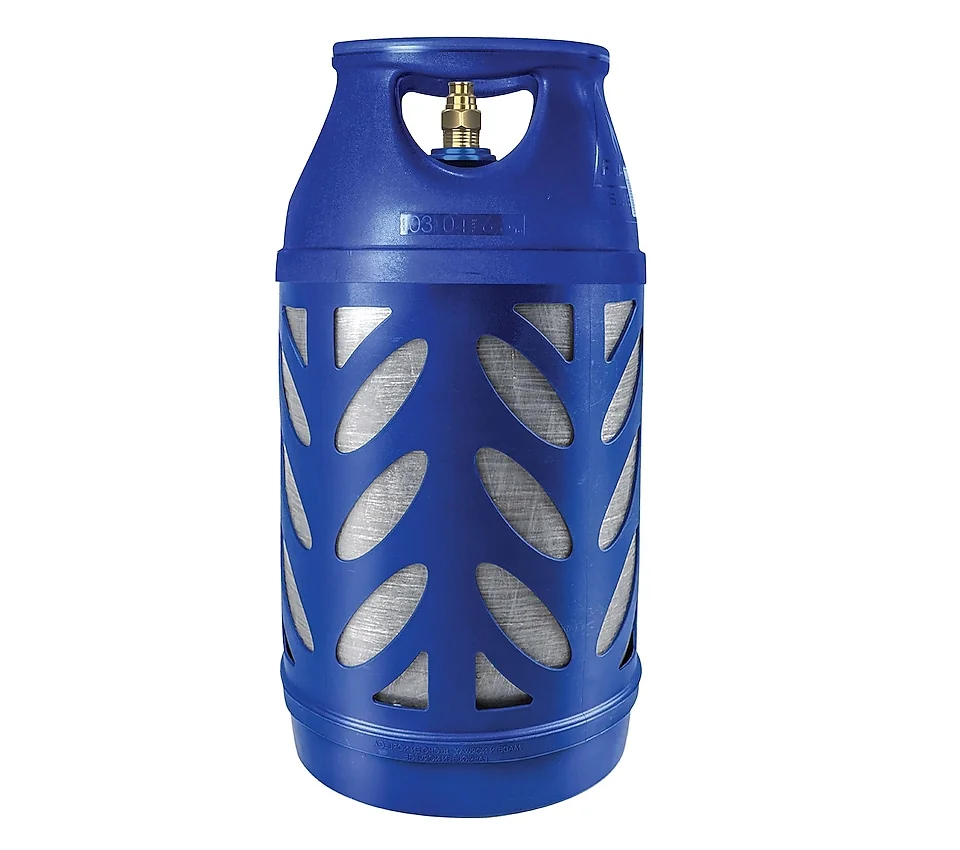
Keep the cylinder upright, outside or in a well-ventilated space, away from heat. Check connections with soapy water, never a flame. If you smell gas, do not touch any switch or flame: close the valve if you safely can, open the doors and windows, get everyone out and call for help from outside.
If you smell gas: what to do right now
- No flames, no sparks. Do not light a match or lighter. Do not switch lights, fans or appliances on or off. Do not use your phone inside the room.
- Close the cylinder valve if you can reach it quickly and safely.
- Open doors and windows to let the gas out. LPG is heavier than air and collects low, near the floor.
- Get everyone outside, including children and neighbours in connected rooms.
- Call for help from outside: the emergency services and your gas supplier. Do not go back in until the gas has cleared and a competent person has checked the equipment.
Where to keep a gas cylinder
- Upright, always. A cylinder lying on its side can release liquid gas through the valve.
- Ventilated. Never store or use cylinders in a sealed room, a cupboard with no air flow or below ground level, where leaked gas can collect.
- Away from heat. Keep it away from the stove flame, direct sun, heaters and anything that burns. Do not stand the cylinder next to the burner.
- Stable. Place it on a flat, dry surface where it cannot be knocked over.
- Out of reach of children, and not in bedrooms or sleeping areas.
- Spare cylinders: keep them outside living areas in a ventilated, shaded place.
Check your equipment
- Look at the cylinder. Do not use a cylinder that is badly rusted, dented, leaking or has a damaged valve.
- Check the hose and regulator. Replace a hose that is cracked, hard, kinked or old. Hoses and regulators must match the cylinder and burner.
- Do a soapy-water test whenever you connect a new cylinder, and from time to time after that. Mix a little soap in water, brush it on the joints with the burner off and the valve open. Growing bubbles mean a leak. Close the valve and fix the connection before using it. Never use a flame to look for a leak.
- Turn the valve off when you finish cooking, and at night.
When you cook
- Stay in the kitchen while a burner is on. Boiling over can put out a flame, and gas keeps flowing.
- Make sure the room has fresh air. Burning gas in a closed room uses up the oxygen and can produce carbon monoxide, which you cannot smell. Open a door or window.
- Keep cloths, paper and curtains away from the flame.
- Do not use a gas burner to heat a room.
Buying and refilling safely
Refilling is where many accidents start. Read under-filled or illegally refilled gas cylinders for what has been reported in Kampala and the checks you can make.
Frequently asked questions
What should I do if I smell gas at home?
Do not switch anything electrical on or off and do not light a flame. Close the cylinder valve if you can reach it safely, open doors and windows, get everyone outside, and call the emergency services and your gas supplier from outside.
How do I check a gas cylinder connection for leaks?
Brush or spray soapy water on the hose joints and the valve connection with the burner off and the valve open. Bubbles that grow mean a leak. Close the valve and have the part replaced. Never use a flame to look for a leak.
Is it safe to keep a spare gas cylinder inside the house?
It is safer not to. Keep cylinders, full or empty, upright in a ventilated, shaded place, away from heat and flames and out of reach of children.
Why does cooking gas smell?
LPG has no smell of its own. Suppliers add a strong-smelling substance so that a leak is easy to notice. A smell of gas is a warning, not something to ignore.
Sources and further reading
- Daily Monitor, 8 December 2025: NMG and Vivo Energy partner to fight illegal gas refilling. Vivo Energy urges the public to buy LPG only from authorised dealers.
The practical steps above are standard LPG safety advice: gas is heavier than air, suppliers add an odorant, and soapy water is the safe way to look for leaks. Rules and emergency numbers in Uganda can change, so check them with the authorities.